



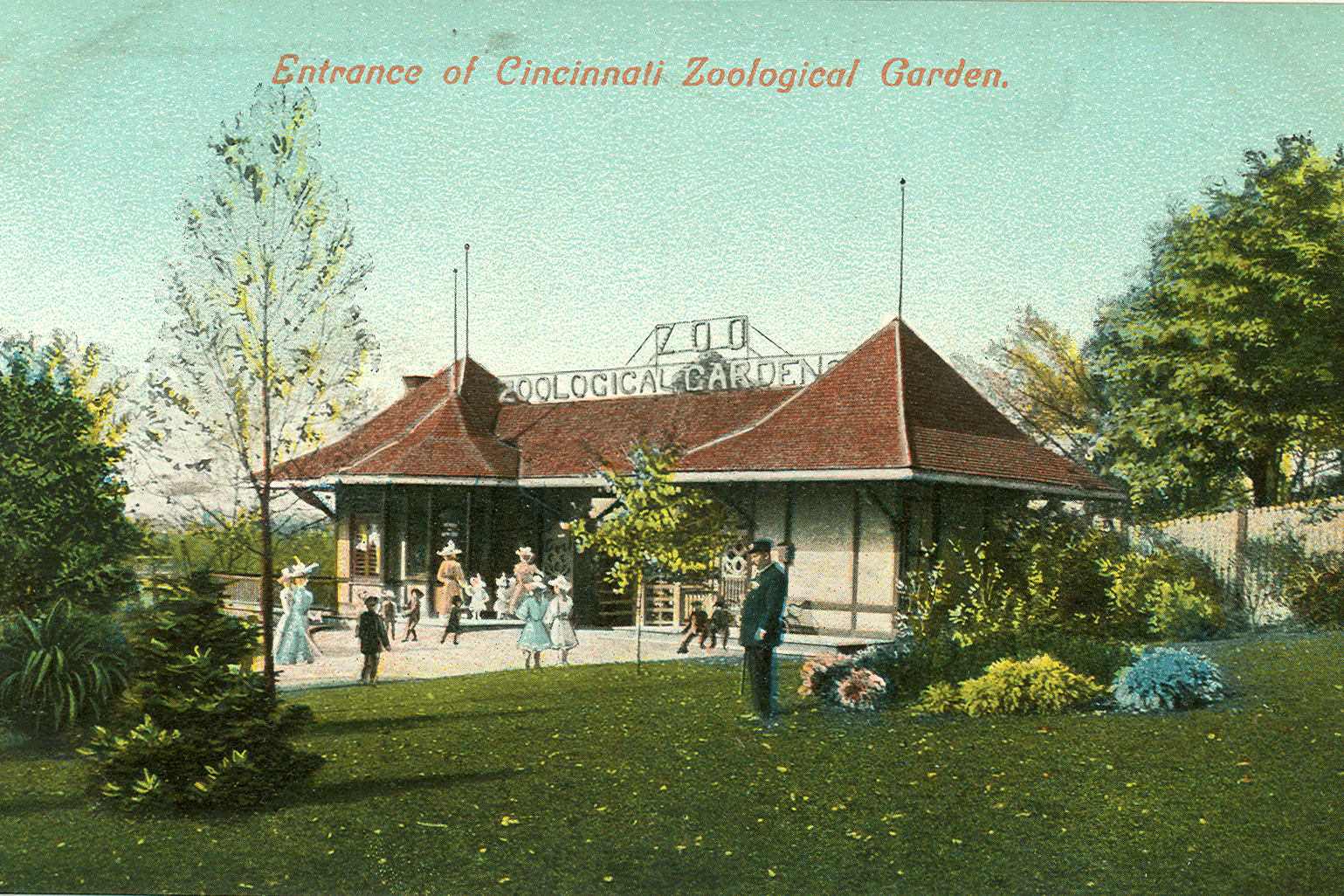
Photograph courtesy Cincinnati Zoo
SEPTEMBER 18, 1875:
The Zoological Society of Cincinnati officially opens, becoming the second oldest zoo in North America.
1875:
Shortly after the Zoo’s opening, a six-foot alligator escapes its enclosure and takes refuge in Swan Lake. Sol Stephan was paid $25 for its recapture days later.
1881: DINNERTIME DRAMA
In the early years, a top attraction at the Cincinnati Zoo was watching the snakes and reptiles being served live rabbits, rats, or squirrels. So popular was feeding time that the zoo published the schedule in its advertisements. In 1881, a local squirrel, plopped as a meal into a rattlesnake cage, turned tables and, after furious combat, killed its would-be devourer.
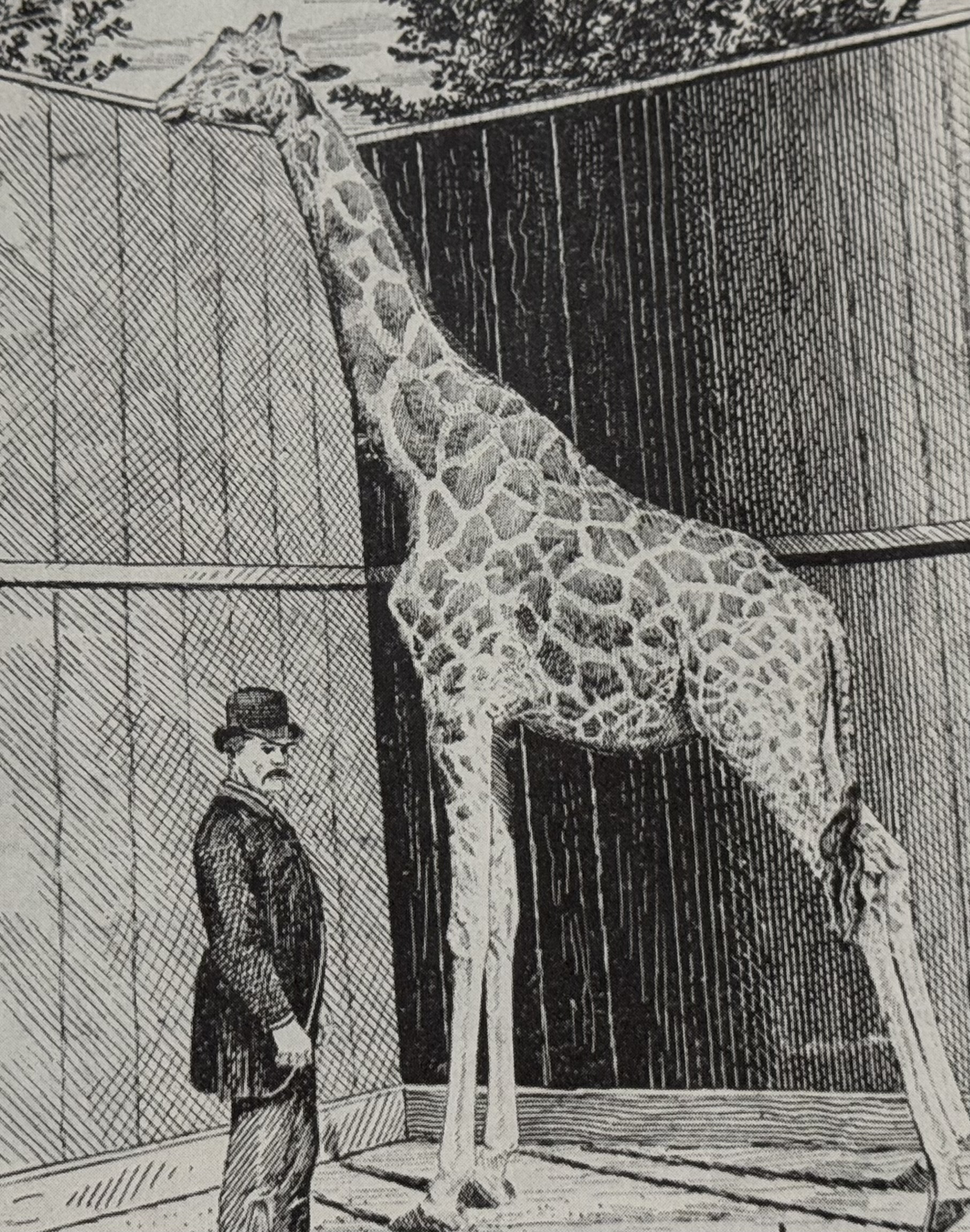
Image courtesy Cincinnati Zoo
1889:
The first giraffe born in the Western Hemisphere was born at the zoo.
1890: EXECUTING AN ELEPHANT
The zoo brought in a firing squad to execute a cantankerous elephant named Old Chief. Retired from the Robinson Circus where he had killed his keeper, Chief’s tantrums threatened nearby animals—not to mention personnel—and directors signed his death warrant. A single marksman proved unable to bring down the elephant, so the zoo recruited a squad of four, who fired multiple volleys until the great beast finally succumbed. Cincinnati’s Palace Hotel served elephant steaks that night. Chief’s skeleton and skin were displayed at the zoo for years and then donated to the University of Cincinnati. The hide has vanished, but Chief’s bones are now at the Cincinnati Museum Center.
1896: HUMANS ON DISPLAY
Under contract with the federal Bureau of Indian Affairs, the zoo received 89 Sicangu Sioux men, women, and children and put them on display for three months. They set up a village within the zoo and lived, according to advertisements, their normal life, giving “a rare opportunity of showing the character and mode of life of the Indian tribes.”
1897: BLOODY BUTCHERS’ DAY
As part of the annual Butchers’ Day at the zoo, local meat cutters competed to determine who could kill, skin, and dress a bull of no less than 1,400 pounds. Although the animals were killed on stage, a curtain was closed at the fatal moment, yet drawn back to provide a clear view of beheading, skinning, and dressing the fresh beef. The animal contestants were served at a grand barbecue later in the day.
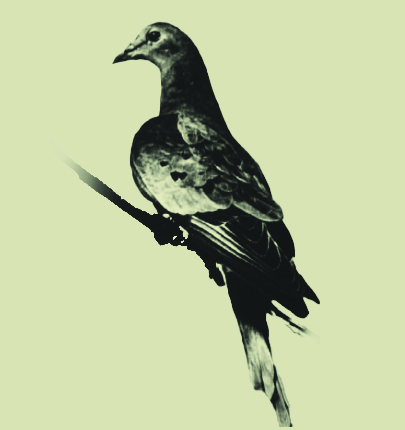
Image courtesy Cincinnati Zoo
SEPTEMBER 1, 1914:
Martha, the last surviving Passenger Pigeon, passes away at the Cincinnati Zoo, leaving the species extinct.
FEBRUARY 21, 1918:
The world’s last surviving Carolina parakeet, Incas, dies at the zoo.
1922: A NIGHT TO FORGET
The zoo closed to the public for one evening to host Cincinnati’s largest assembly of the Ku Klux Klan to date, with thousands of robed members in attendance and 460 initiates welcomed into the organization. Although a Klan representative refused to divulge the location of its nocturnal assembly and the zoo did not officially disclose the private party that reserved its facility that night, several newspaper reporters ferreted out the truth.

1930s:
The zoo hires German architect Carl Hagenbeck, who transforms the zoo by creating larger outdoor exhibits and more exhibits without bars.
Photograph courtesy Cincinnati Zoo
1931: WE LOVE SUSIE
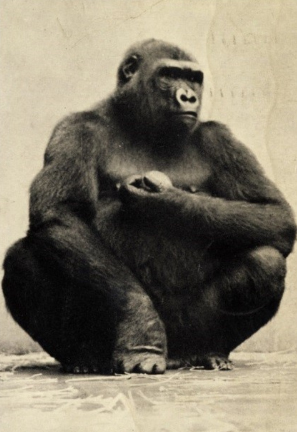
Susie, a trained gorilla who became the zoo’s unofficial mascot until her death in 1947, arrived in the U.S. as a passenger on the Graf Zeppelin. Over the years, the great ape became a popular attraction, selling “signatures,” riding around in a donkey cart, donning athletic gear for baseball and football season, and dining at a table with her keeper. Susie died in 1947.
1940: IN THE RING
Throughout the 1940s, the zoo entertained visitors by pitting trainer Howland Kirby against “Kayo” Rodney the kangaroo. In 1940, the Society for the Prevention of Cruelty to Animals ruled that Rodney could continue to spar with Kirby because their boxing act involved no cruelty. Although the zoo claimed the boxing matches “relaxed” Rodney, and that Rodney eagerly anticipated these bouts, public outcry eventually ended the pugilistic routine.
OCTOBER 1961:
Beauty the chimpanzee creates about 100 finger paintings to be displayed and sold at the Bianchini Gallery in New York.

1965: SOPRANOS PULL RANK
For half a century, the Cincinnati Zoo was home to Cincinnati Opera. At times, the on-stage artists harmonized with screeching peacocks and trumpeting elephants. The accommodations were nothing like The Met—performers had to dress and put on makeup in a small village of tents near the stage, except for the star soprano. She was assigned the only dressing room in the building, where philanthropist J. Ralph Corbett had an air-conditioner installed for soprano Beverly Sills, who headlined Offenbach’s The Tales of Hoffmann during this sweltering Cincinnati summer.
1968:
The Goetz Animal Health Center is constructed.

1968:
Ed Maruska becomes director of the Cincinnati Zoo at age 34—younger than most directors of major zoos.
Photograph courtesy Cincinnati Zoo
JANUARY 23, 1970:
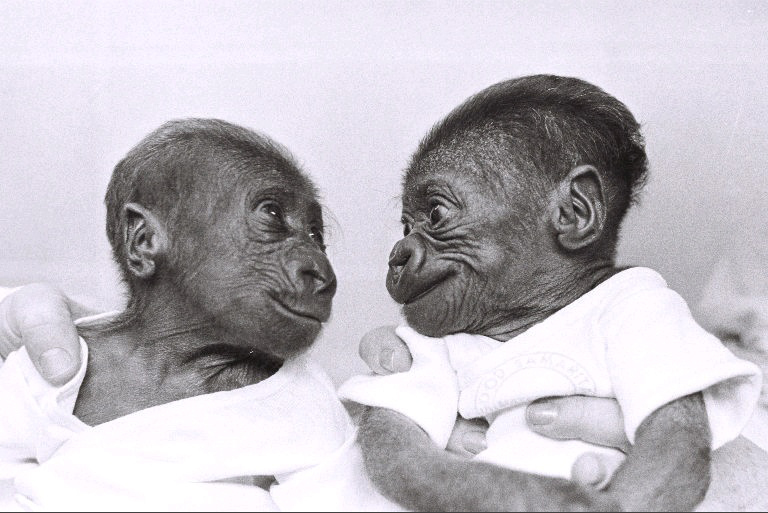
Sam is the first gorilla born at the zoo. A second gorilla, Samantha, is born eight days later.
1970s:
Newsweek magazine names the zoo the “Sexiest Zoo” due to its unmatched success in birthing gorillas, rhinos, white tigers, and other exotic and rare species.
Photograph courtesy Cincinnati Zoo
JUNE 21, 1974:
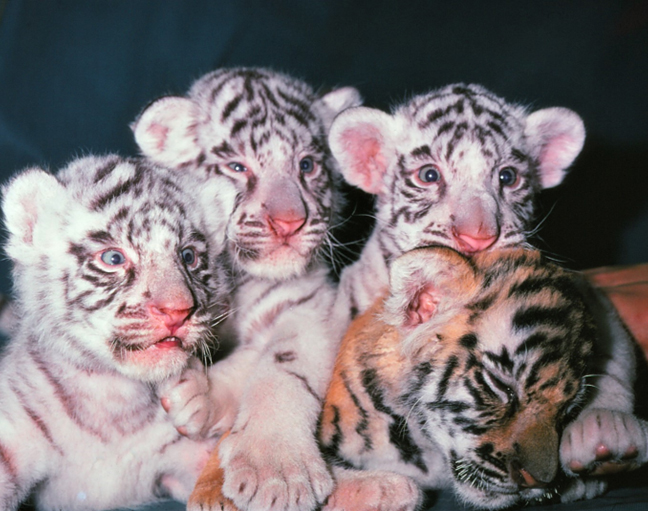
The zoo’s first three white tigers are born.
1976:
The Cincinnati Zoo Academy was founded as a supplementary education program for high school juniors and seniors interested in becoming zookeepers.

Photograph courtesy Cincinnati Zoo
AUGUST 5, 1978:
World of the Insect opens. It’s the first building in a U.S. zoo that only exhibits insects.
1981:
The Carl H. Lindner Center for Conservation and Research of Endangered Wildlife (CREW) opens, the first establishment of its kind devoted to plant and animal conservation alike.
1982:
The zoo successfully utilizes cryogenics—the freezing of embryos, eggs, and semen for safekeeping—and becomes the third U.S. zoo to practice cryopreservation.

Photograph by Kathy Newton
1982:
The zoo hosts its first annual PNC Festival of Lights.
MARCH 28, 1990:
Laurie Stober loses half her right arm to Icee the polar bear, an incident that saw the zoo cited for OSHA violations and embroiled in multiple lawsuits from the keepers involved.
1995:
The zoo is the site of the world’s first in vitro gorilla pregnancy.
DECEMBER 31, 2000:
Ed Maruska retires from the Cincinnati Zoo with the honorary title of director emeritus.

Photograph courtesy Cincinnati Zoo
2001:
The zoo is the site of the first Sumatran rhino birth under human care within the prior 112 years.
JULY 27, 2007:
Thane Maynard is named the zoo’s executive director.
2011:
The largest publicly accessible urban solar array in the U.S. is constructed.
MAY 28, 2016:
Harambe was shot and killed by a zoo worker after a 3-year-old climbed into the outdoor gorilla habitat and was grabbed, dragged, and thrown by the gorilla. Overwhelmed with negative reaction, the zoo had to disable its social media accounts for a time.
2017:
Fiona the hippo is born prematurely and attracts global attention when zookeepers post about her struggle to survive. She is alive and well to this day.

Photograph by Mark Dumont
AUGUST 2020:
The zoo’s Roo Valley opens its gates, inviting visitors to experience kangaroos and small blue penguins in an open habitat and even check out the view from the Kanga’ Klimb ropes course.
2021:
The zoo partners with the Reds Community Fund, P&G, and the Cincinnati Children’s Hospital to install an Urban Learning Garden in one acre of Rockdale Academy’s school yard as part of its child and community health and development initiative in Avondale.
August 2022:
Fiona’s brother, Fritz, is born.
MARCH 2023:
A wild cat is rescued from its owner after testing positive for exposure to cocaine. “Cocaine Cat” is sent to the zoo for recovery, and trends following the release of the movie Cocaine Bear.
JULY 2023:
The zoo becomes the first in the world to earn the highest level (IV) of accreditation by the ArbNet Arboretum Accreditation Program for its efforts in the research, conservation, propagation, and care of trees, botanical gardens, and other plants.
JANUARY 2024:
The first western lowland gorilla to be habituated while in the wild, a gorilla named Kingo, dies at the zoo.

2024:
The zoo opens the Harry and Linda Fath Elephant Trek, a five-acre habitat and its largest to-date.
JUNE 2024:
After two decades flying above the Great American Ball Park before home games, Sam the bald eagle makes his final appearance at a Reds game due to eyesight issues. He was rescued from the side of a road in 1999 and has lived in Cincinnati since 2003.
July 2025:
The zoo completes a community makeover in Walnut Hills in partnership with the Reds Community Fund, the Cincinnati Reds, and P&G including redesigning the STEM labs and student garden at Frederick Douglass School, installing an Urban Learning Garden, and beautifying outdoor spaces, among other things.