



Photograph courtesy Wave Pool
Boris Oicherman, who moved to town last fall to become executive director of Wave Pool, calls himself a “double immigrant.” He grew up in Russia, moved to Israel as a young adult, and came to the U.S. 12 years ago. He served as a curator and arts and culture director in Minnesota and most recently Cleveland before seeing the job posting and deciding to give Cincinnati a try.
Wave Pool has been a conduit for community change through artist opportunities and support since it opened in an old Camp Washington firehouse in 2014. The art gallery and artmaking space expanded in recent years; Swell, a café, bar, and bookstore founded by a Wave Pool cofounder, occupies the site of the now-defunct Welcome Project, which supported immigrants and refugees through art and food. Oicherman says he’s always been fascinated by the opportunities artists have to collaborate across all boundaries and converse with all members of a community, which is apparent in Wave Pool’s role in Camp Washington. He wants artists to make even more of an impact in the neighborhood and across Cincinnati.
“If you think about how a community works, it builds infrastructure like roads, bridges, and sidewalks to provide access for people,” he says. “We’re building cultural infrastructure here at Wave Pool, so people have access to creativity and to each other. The art they create—a painting, a ceramic bowl, good or bad—doesn’t matter as much as access itself.”
Photograph courtesy Wave Pool
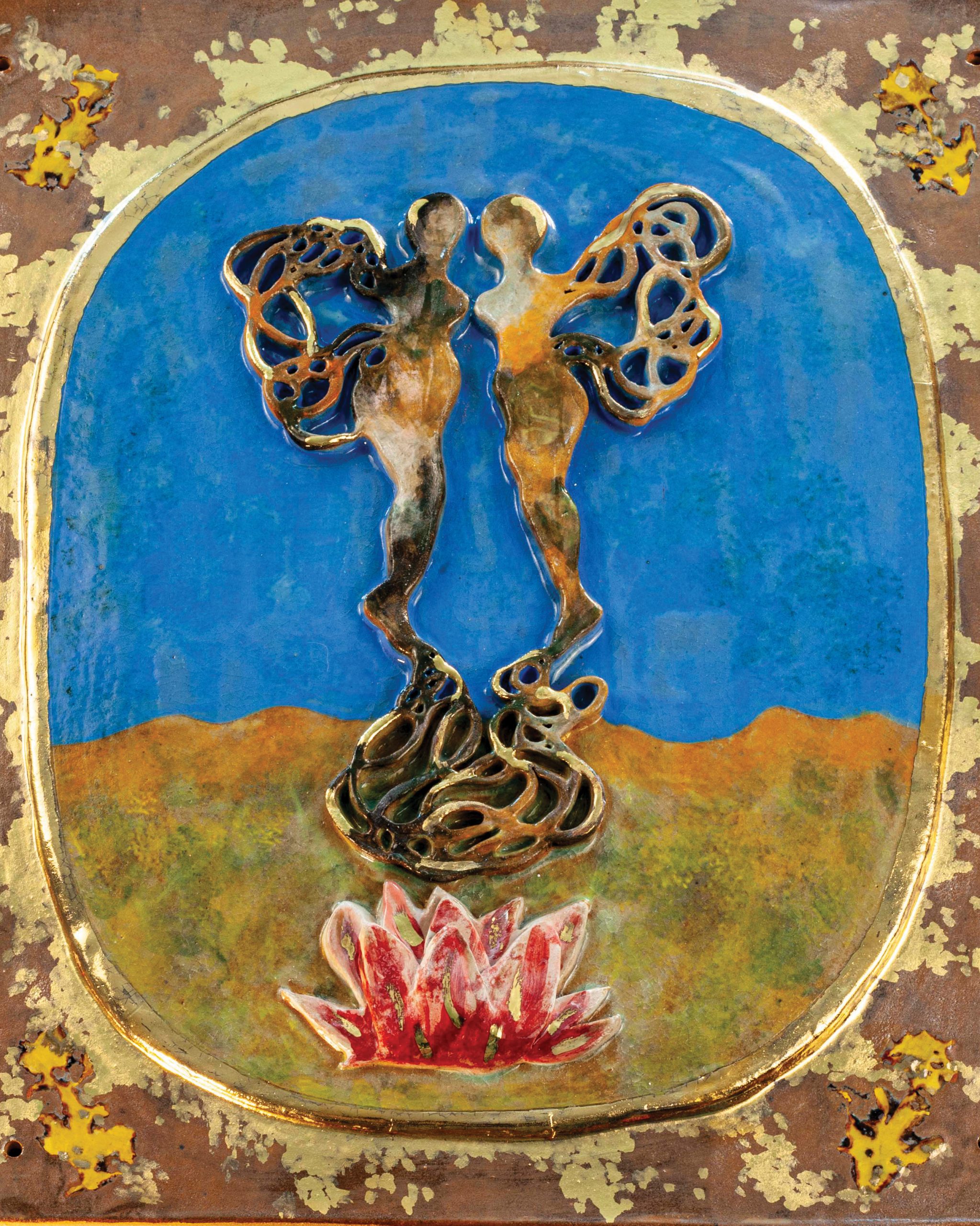
The gallery’s current exhibition, Ten Welcome Editions, displays highlights from 10 years of Welcome Edition shows that paired recognized artists with refugee and immigrant artisans to produce new artwork. The most recent Welcome Edition in 2026 featured a limited run of ceramic tiles designed by Shahzia Sikander (MacArthur Fellow and winner of the Pollock Prize for Creativity) and handmade and glazed by Cincinnati-based artists Erika NJ Allen, Fabiola Ornelas, Chandni Sharma, and others.
Photograph courtesy Wave Pool
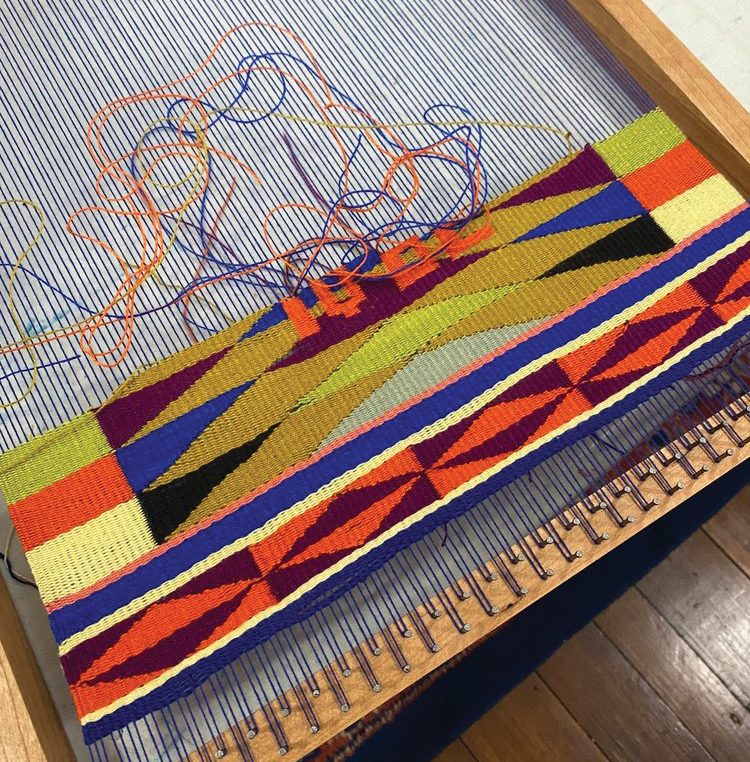
Artist Diane Fishbein hosts a popular ceramics class every Saturday morning that usually draws 20 to 30 people, many of whom are immigrants looking for a connection in their new hometown, says Oicherman. The donation-based class provides clay, brushes, glazes, and a kiln. There are also beginning and intermediate woodworking classes on Monday and Wednesday evenings, respectively.
Wave Pool is in the early stages of working with other nonprofits, Camp Washington residents, and business owners to find ways to maintain affordable housing—and possibly build new housing—for artists who want to stay in the neighborhood. There’s a concern that the neighborhood could become the next “hidden gem” that gets gentrified after artists attract wider attention and buzz. “If we want to preserve the character of Camp Washington, we have to preserve the people of Camp Washington,” says Oicherman. “We can’t let the people who are transforming this neighborhood get priced out of it.”
He says he’ll focus on supporting local artists to build connections where they live and work. “Artists decided it’s their business to help immigrants, to feed the poor, to embrace Camp Washington, to do other community-building activities alongside their creative work,” he says. “No one told them to do that. And I want Wave Pool to be the incubator of that mindset.”