



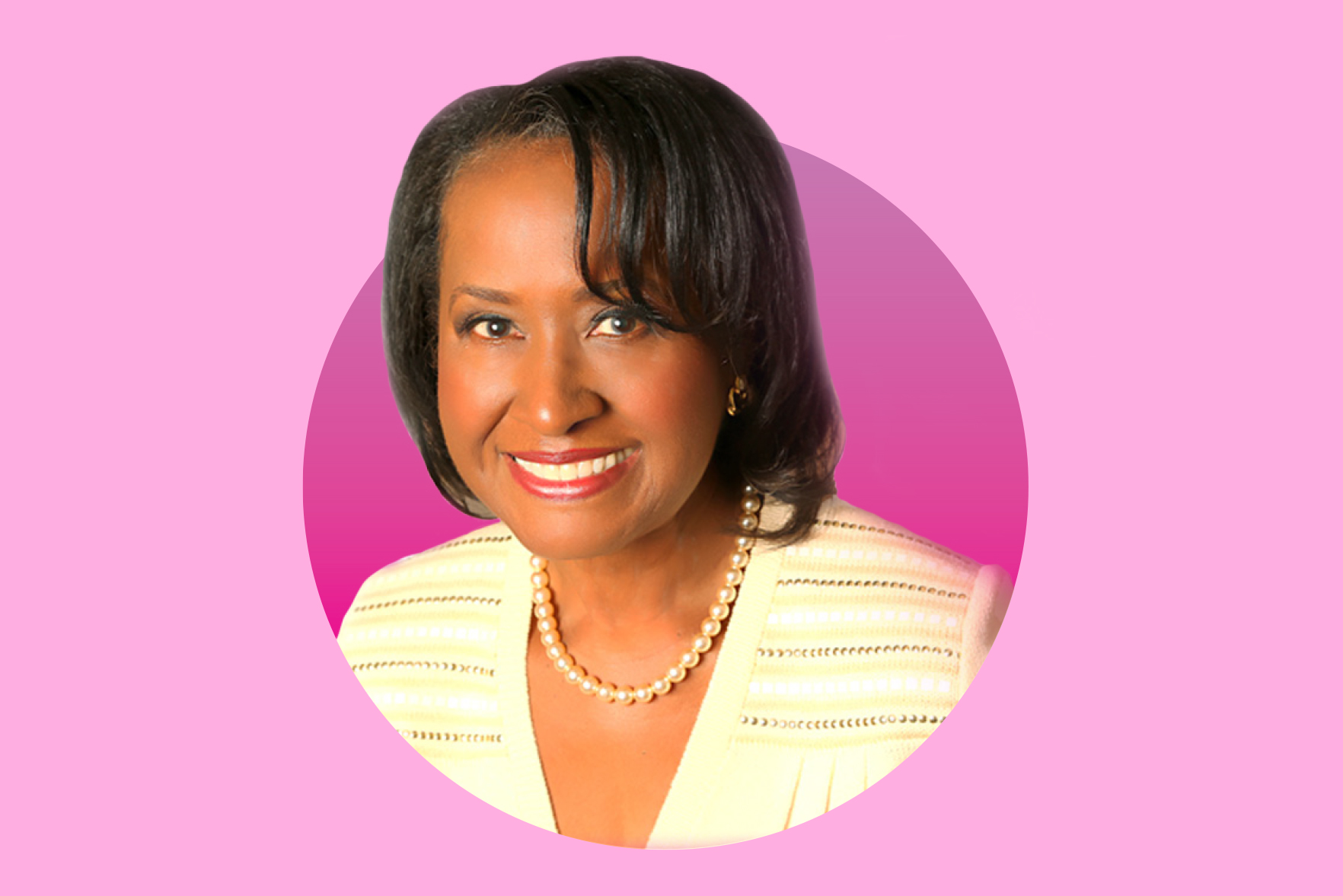
Photograph courtesy Carol Braddock
This year, Cincinnati’s Women’s Alliance celebrates 60 years as an organization. In 1966, in the midst of the Civil Rights Movement, Carol Braddock cofounded the organization, originally composed of 10 women, as a way to financially support underprivileged children and develop their education through local art and culture. Since then, Women’s Alliance has become a pillar for youth education across Greater Cincinnati and Dayton, providing annual scholarships, offering mentorship opportunities, and hosting fund-raisers to financially support young women’s education. In April, the organization awarded six college-bound women with $1,000 Founders Awards scholarships in support of their academic careers.
Braddock has served as the organization’s president and vice president over the years, and is one of the only founding members (alongside Merri Gaither Smith and Gwendolyn Wilder) to remain actively involved with the organization, playing a central role in its fund-raising events, mentoring, and volunteering.
Outside of Women’s Alliance, you write a column called “Spiritually Speaking” for The Cincinnati Herald and have spent time speaking about spirituality at colleges and universities. Has your faith always been a central part of your professional career? Did it play a role in founding Women’s Alliance?
I’m a preacher’s kid. Church life was always a part of my life. In fact, the founding of Women’s Alliance came while I was at my church, Carmel Presbyterian Church. Stokely Carmichael—this was during the Civil Rights Movement in 1966—he came to our church, and I was so inspired that afterwards, I checked with my very best friend at that time, Evva Friason Turpeau, and said “We need to do something.” So, we called our friends and got started.
The organization was founded in 1966, around the time of race riots taking place in Cincinnati and around the country. Why was it important to found Women’s Alliance and make a difference in young women’s education at that time?
When Stokely Carmichael came to town, he at that time was the chairman of SNCC [Student Nonviolent Coordinating Committee]. He came to our church…and the essence at that time was Black power, and he was urging everybody to unite and recognize our heritage, and we were doing that in our church. One of the things he said was that we needed to form our own Black organizations and take leadership roles in our community and make things happen. He said, “We’ve got a generation of kids, and Black is beautiful. Let’s share it with them and let’s keep moving.” I was just so impressed. What I thought we could do was help children, everybody would support that, and his emphasis was, Let’s be more self-reliant, let’s do it for ourselves and our community.
Women’s education has experienced a number of changes since the start of Women’s Alliance. Where are you currently seeing a need for this organization the most?
[In the beginning] we did all kinds of things for children. I remember we took children in groups to the theater. We also produced a show at [UC’s] Corbett Center for the Performing Arts. We felt it was our obligation to do the cultural aspect, the arts aspect, the educational aspect for children. Now, most of our money goes to young women for scholarships for college.
Over time we did a lot of things, but it seemed the members liked supporting students. The exciting part that we all like is we follow one student all four years…and this year we have a graduate from Miami University, her name is Amika Taylor. We’ve done many other things in addition to scholarships, but scholarships—people understand the need for going to college, and they’re willing to donate, they’re willing to buy tickets, so our community helped us with that.
In all the organization’s years of impacting women’s lives, are there any memories that stick out to you the most?
We brought Ruby Dee here from New York for a day in our community, and I was her host. She was just so exciting, and we had a day where we went to all of the schools. We went to an organization called Seven Hills Community Center…we went to the symphony, we had the opportunity to have an audience with her. I had her for a day and a half, and it was thrilling.
What kind of legacy are you hoping Women’s Alliance leaves in its community?
I think that a number of Cincinnati’s great African American women have been members of Women’s Alliance for a period of time. We were a young group, and we grew up together, and we have a smaller group now, but it’s OK, because they are young, they are exciting, they are wonderful. I’m excited for them, and I’m there because I want to help. We’re here for the future.